Branding »

[29 Sep 2011 | No Comment | ]
BA’s Campaign Proves to Go Forwards You Sometimes Need to Look Backwards

I rather like British Airway’s ‘To Fly, To Serve’ campaign. As a marketer it appeals to me on several levels.


Firstly, it’s focusing on what is perceived as a core brand strength – service, delivered in a distincly British way. As BA’s MD of Brands and Customer Service, Frank Van Der Post, put it:


‘BA is a very strong brand. We do not need to reinvent ourselves as something else. What we need to do is to tell the story a little louder.’


Secondly, they’re backing words with actions – £5bn of investment in new aircraft, new cartering and new technology to enable their staff to deliver better service and their customers to better serve themselves (i.e. the ability to print their own luggage tags at the airport).


Thirdly, they’re involving their staff – which makes sense as your staff are at the core of any service proposition. Not only are they focusing aspects of the campaign on specific staff and their stories, but they clearly see re-instilling staff pride in the brand is as important as re-instilling our pride in the national flag carrier.  The ‘To Fly, To Serve’ positioning is not only something for staff to rally around, it’s a challenge they for them to live up to.


Fourthly (!?), the agency has had the courage to say something that’s already there will do the job rather than trying to be clever and inventing something new.  That’s brave, and it’s a bravery that many marketers don’t display in their haste to ‘put their stamp’ on the brand.


In ‘To Fly, To Serve’ BA’s agency, BBH  have unearthed and lovingly restored something right at the foundations of the brand – a bit like a marketing ‘Time Team’.  For me, it highlights we should all be great students of our brands – brand archaeologists, so to speak – as often we’ll need to look backwards to inspire our brands to go forwards.


When I was at Simply Travel, we didn’t need to look back that far but just glancing at the brochure covers from 5-10 years previously of women herding sheep in Crete reminded us that the core appeal of the brand was the ability to transport people to places from which they could enjoy their own authentic experiences. Our brand was more about the authenticity of a place than the facilities of the accommodation.


I should imagine that there are many travel brands out there that have lost their way – in the search for growth and new customers they’ve compromised the core essences of their brands. And if your potential customers start to get confused about what you stand for, your ability to command a premium erodes away.


I’m not saying travel companies shouldn’t innovate, but see your brand as a house. Make tasteful alterations to exterior and interior to bring it up to date, but don’t mess with the foundations otherwise you’ll bring the whole thing toppling down.


Branding »

[21 Sep 2011 | No Comment | ]
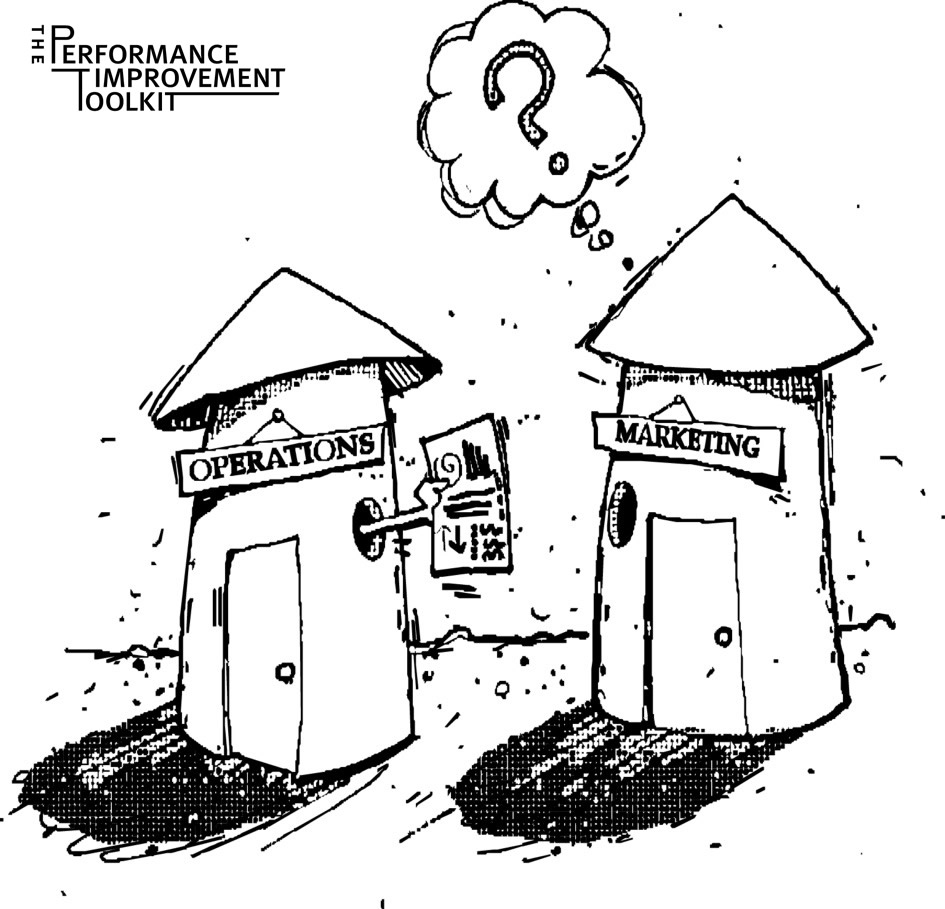
Travel & Tourism Marketers – Time to Take Down Your Ivory Towers

I like to think of good marketing as ‘the mortar between the bricks’ of a strong organisation. Good marketers should bind everything together, making sure the customer experience is solid and consistent with the brand’s values from beginning to end.  That’s the only way to build an organisation which realises its potential.


The problem is, too many of us build a separate tower away from the rest of the organisation and only very rarely open the gates up to let anyone else inside.  You might think it’s only your responsibility to deliver prospects, and then it’s sales’ job to convert them into customers. Or you may have created a wonderful vision document for the brand which was presented at a board meeting a few months after you joined but hasn’t seen the light of day since. In both cases, you’re condemning yourself  to shouting from the parapet when the people in the courtyard below simply can’t hear you.


I’ve not been immune from ‘ivory tower’ syndrome myself. Let me talk about a specific incident, early in my marketing career so you can learn from my experience.


Ivory Towers - Easy To Build But Tricky To Dismantle

Ivory Towers - Easy To Build But Tricky To Dismantle

When I joined Simply Travel back in September 2000, I laid the foundations of my tower right from the start.


I knew I had to get to know the brand better, so I arranged meetings with my managerial colleagues.  I even took a trip out to Turkey so I could understand the sort of experience our customers had. And I ploughed through swathes of information on the market, the company and it’s competititors.


A good start, surely?  Nope – I simply wasn’t comprehensive enough.  I’d had opinions from one tier of the organisation, but I’d barely spoken to anyone on the front line. Plus I missed a swathe of important and opinionated individuals – the Product Managers.  Hence, when I later came to sell in my initial strategic ideas, I had limited credibility amongst certain important opinion leaders. First lesson learnt – before I could expect people to listen to me, I had to demonstrate I’d listened to them.


I took my initial research away and drew perceptual maps to help me understand the market, where we stood in it and which direction the opportunities were in. But I kept things very close to my chest and once I’d drawn my conclusions, I presented them to the leadership team. Once I had their buy in, I presented them to my own team.


And the response? Joy at being led by such an inspired strategic thinker? Nope. There were underwhelmed to say the least. Why? Because I hadn’t involved a bunch of smart, passionate and marketing literate people who could have added significant value in the evolution of something that was central to their task. Well done, Ben – first floor of the tower successfully built. And my lesson? I needed to keep things tight – strategy evolution by committee leads to fuzzy strategy – but by involving the right sort of people in the thought process the strategy would have been better ‘road tested’ , and I’d have had some valuable allies when selling it in.


Of course, when I came to sell the strategy in to other departments, I met resistance because I hadn’t spent enough time listening and building credibility up front.   But also because I’d committed the cardinal sin of interpreting that strategy for them.  Bad move. That was the 2nd floor, the parapet and the conical bit on the top added all at once.


I had some uncomfortable meetings to say the least. In fact, in some I felt very much like a christian facing a pack of lions in the Colosseum. I can’t blame them for how they reacted – ‘marketing upstart who’s only been around for 3 months tells me to start to do things differently when I think I’m doing a pretty good job’. I couldn’t tell them how to do their job, because they knew it better than me. What I could do was to give them a framework to make their own decisions as to how what they did could better support the brand values. ‘Inspire’ rather than ‘tell’ or ‘sell’, so to speak. That was lesson 3 learnt.


I spent the next 4 years taking my tower down block by blockand believe me, unlike real towers they’re harder to take down than to put up. In fact, by the time I’d left, both myself and my department were consulted on a wide range of brand related decisions, from service standards in the UK to what the reps wore. And not because people were compelled to, but because they valued our opinion.


I had to build relationships and trust with some pretty opinionated people in that time but I learnt from my mistakes.  If you learn from them too you’ll find yourself building bridges rather than towers – a much more useful type of construction project for travel and tourism marketers.

Branding »

[20 Jul 2011 | No Comment | ]
Brand Vision & Values: It’s Common Sense, Isn’t It?

People are always telling me that marketing is ‘common sense’ – usually those not in the profession or those that have made a made a move from another role.


Frankly, this particular observation drives me round the twist.  It’s like telling a doctor all those years of study and practice were a waste of time as you can just look up your ailment on the internet.  Quite apart from that it’s clearly wrong.  We’re surrounding by thousands of examples of ‘common sense’ marketing and do we pay a jot of notice to it – probably not.


But every now and again, something really cuts through all the surrounding clutter. And creating those campaigns requires a deep understanding of target customers, the brand’s own message and the fundamentals of communication and persuasion. Let me give you an example of how transformative clearly expressed vision and values can be.


I had the good fortune back in 2003 to work with a chap called Marcus Codrington Fernandez, one of the UK’s leading brand gurus – the man behind the success of brands such as IBM, Mercedes-Benz and Orange.


My brand, Simply Travel, was drifting – and drifting in the wrong direction. Our campaign was becoming increasingly ineffective, our service levels were slipping – everything we tried had little or no effect. Like many marketers, I was focusing on the tools – trying different advertising formats, different timings of mailings and emailings and different offers. Good ‘common sense’ marketing – problem was, I wasn’t getting the message right.


Marcus had been recommended by another supplier. I met him more in hope than expectation. He suggested he spend some time with members of the Simply team – both old and new and across all functions – to define a positioning for the brand that we could use to shed new light on all our activity.


The_Celestial_Model_of_Brand_Vision_and_Values

The Celestial Model of Brand Vision and Values

Marcus’s aim was to define a vision for the brand – a guiding star upon which we kept our gaze firmly fixed as we moved forward – and 5 values, the rungs on the celestial ladder we needed to ascend if we were going to reach our goal. For him, we needed to define no more. No rational benefits, emotional benefits, brand attributes or any of the other numerous and sometimes unfathomable layers of the ‘brand onion.’ His view was if you got the vision and values right, and then followed the fundamentals of good communication, everything else would flow. Like a deliciously simple recipe you can easily remember and make again and again rather than one with an irritatingly long list of instructions.


So what did he come up with? He defined our vision as ‘Helping People to Find Their Own Way’ – a beautifully simple way of defining our role for our clients. We weren’t there to tell them what to do, but we weren’t there to stand back and let them do it all themselves and make inevitable and avoidable mistakes.  We were facilitators and helpers – enabling people to discover the little known and unspoilt parts of the Mediterranean we loved, but in their own way.


Our values? Chatty, Honest, Informative, Nimble and Surprising or ‘CHINS’ as they became known.


Onions - Great for Eating But Not So Great for Defining Brands

Onions - Great for Eating But Not So Great for Defining Brands

Chatty because we were passionate about what we did and wanted to share it with people, because we viewed our customers as fellow travellers rather than transactions and because we were just as interested in them as they were in us. Honest because the places and properties we chose were authentic and we wanted to depict them in as honest a light as we could because that made for happy customers. Informative because we knew our destinations and properties inside out and wanted to share our knowledge with those who wanted to listen. Nimble because we moved fast to deal with customers problems and faster than our competitors in unearthing new places. And surprising because people like surprises – good ones at least – and they’re what makes an experience memorable. And memorable holidays make people want to come back and tell others about them.


By reviewing all our activity in the cold light of these visions and values, we made some remarkable things happen. Our customer service ratings in the UK and overseas leapt up after 4 years of decline. Our marketing efforts scooped awards at CIMTIG’s annual bash. And I’m sure we outperformed the market – we certainly outperformed our sister brands at TUI.


My point is that we have a tendency to get immersed in the best ways of using the tools in marketing rather than focusing on the core message which will resonate with our customers. The ‘what’ rather than the ‘why’ or the ‘how, so to speak.  But I can be the most skilled paintbrush user in the whole of the world – without a vision I’m just a painter/decorator, not an artist.


So the next time someone tells you marketing is ‘just common sense’, you can tell them from me that they’re right – ‘run-of-the-mill’ marketing is common sense.  And great marketing is sense too, but of an entirely more uncommon variety.

Word of Mouth Marketing »

[18 May 2011 | No Comment | ]
‘The Plane That Went Tech’ and Other Lessons in Word of Mouth Marketing

I’ve just been on holiday. Not a remarkable event in itself I’ll admit but my experience of booking and taking that holiday provided some prime examples of ‘schemas’ and their role in generating word of mouth.


So what precisely is a ‘schema’ I hear you cry? In brief, it’s a little movie containing generic properties about a concept or category stored in our memories and ready for ‘play’ when someone pushes the button.


No help? OK – let me give you an example. What springs to mind when I say ‘package holiday?’ For me, it’s images of sunburnt people with tattoos at the airport, having my knees wedged underneath the seat in front on the flight, the smell of cheap fried food at innumerable cafes selling full English breakfasts and families crammed into studio apartments that allegedly sleep four.


This may not be a true reflection but my schema doesn’t have to be built from actual experience of package holidays  but perceptions of them built up from a myriad of sources. You may not have driven a sports car but you’ve got a schema of one in your head.


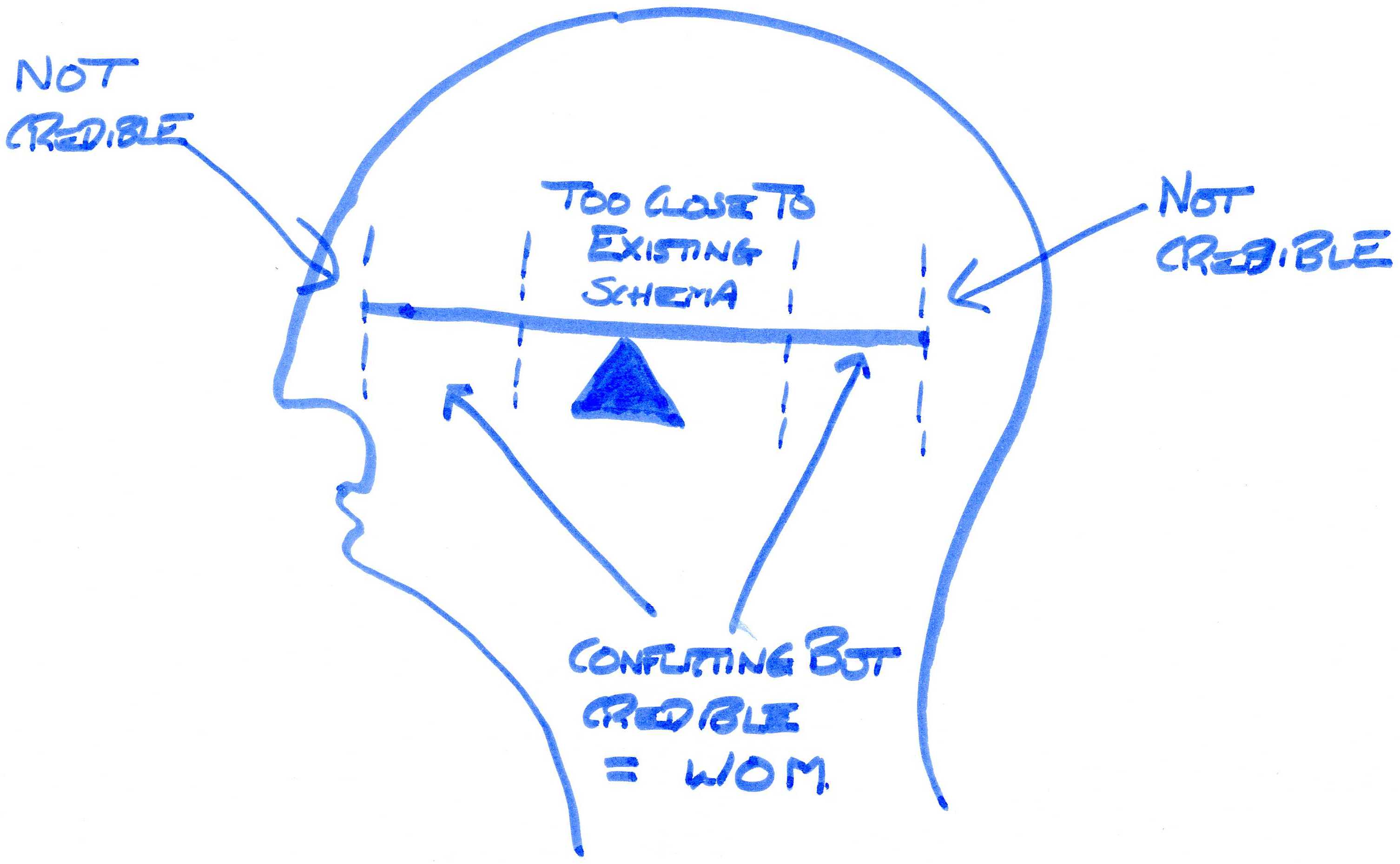
By conflicting with schema in credible ways, you can get people talking about your product or brand.  This may sound easy but first of all you have to understand which schema exist in the minds of your target market for your product or service category. And secondly, you need an offering which not only conflicts with the existing schema but one that does so in a credible way.


I see it like a seesaw in the brain – jump in near the centre (too close to centre of the existing schema) and nothing will happen. Jump and miss the seesaw altogether and your attempt was clearly too far from the existing schema to generate any action. Jump on near the ends and it will tip into action, but remember it can move both ways – one positive for your brand and one negative. A little known PR disaster when I was Marketing Manager at Austravel provides a prime example.


The WOM/Schema SeeSaw

The WOM/Schema SeeSaw

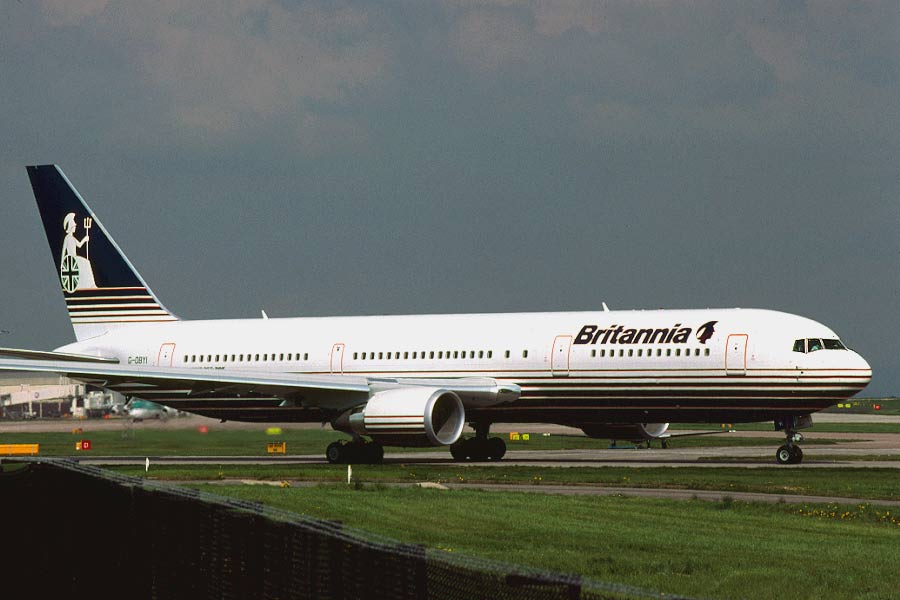
Back in the late Nineties Austravel launched into a joint venture with a Dutch firm to launch a charter flight from Maastricht to Australia.  The inaugural flight was a big PR event – all the top brass from Austravel and their Dutch partners were there, as well as the cream of the Dutch media curious about this new venture. Problem was, the plane went ‘tech’ and it didn’t go anywhere.


The whole management team returned home with a sense of impending disaster. The commercial success of this venture was seriously jeopardised – no-one was going to book with a company that couldn’t even get their inaugural flight off the ground. But this so-called disaster had an unexpected result.  The press gleefully reported the story but also included the price of the flights. The phones (no internet booking in those days) went berserk with people booking. What had happened?


How Can Planes Stuck on the Tarmac Generate Word of Mouth?

How Can Planes Stuck on the Tarmac Generate Word of Mouth?

Word of mouth schema theory explains it.  Your schema of airlines and charter airlines in particular is that planes will occasionally go ‘tech’ – unfortunate but no surprises there. But nobody expected that you’d be able to fly from The Netherlands to Australia for the price the newspapers published and a word of mouth tide began to sweep across the country. Disaster turned into success in the most unexpected fashion.  But when you look at it with reference to schemas, it all makes sense.


So back to my holiday – which provided 3 classic word of mouth ‘events’ triggered by interference with schemas.  Firstly, the booking process was so badly handled (how can you spell the parents’ names right but their child’s name wrong, and do it for 2 sets of passengers with different surnames? And who spells ‘Cox’ ‘Cocks’?) that it prompted me and my wife to talk to our friends about it.


Secondly, we travelled with friends and although we’d been there before, the experience conflicted with their perceptions of a package holiday – unspoilt island, no ‘full Englishes’ in sight, spacious villa – which got them talking to relatives about booking another trip for next year (for those of you curious we were on a Simply Travel holiday – and no doubt alot of Simply’s success in the late Nineties and early Noughties was in presenting holidays far from the package in terms of environment and accommodation but in a packaged way.)


And thirdly, Thomsonfly screened an excellent safety video on the flight featuring children as the cabin crew – interfering with my schema of safety demonstrations (bored looking cabin crew member shows me how to do up a seatbelt and flaps arms in vague direction of exits). People paid attention and some even laughed and no doubt people will be talking about it (as I am now).


Getting someone talking about an airline safety demonstration must be the ultimate challenge in word of mouth marketing. If Thomsonfly can do it, surely generating word of mouth marketing for your product or brand must be achievable?

Segmentation »

[23 Mar 2011 | No Comment | ]
From Cocoons to Mud Huts – Psychographics and Why It’s Key to Travel & Tourism Marketing

When segmenting your audience and positioning your brand in travel and tourism marketing, psychographics is key and in particular how values and personality manifest themselves in ‘preferred level of cultural immersion’.


I described what I regarded to be the key segmentation criteria in travel and tourism marketing in brief in a previous post. I now want to delve a little deeper into one of those in particular which I consider to be absolutely key – psychographics.


The whole area of psychographics, a phrase that describes values, personality and lifestyle, first became of practical rather than theoretical use to me when I was at Simply Travel, especially when comparing and contrasting the brand with it’s ‘sister’ brand in TUI’s Specialist Sun Division, Magic Travel Group (rest in peace).


I’d had passed on to me via a colleague that one of the TUI senior management had described the only difference between the 2 brands as distribution (Simply was mainly direct and Magic mainly trade) but I regarded this as a misguided observation. The distribution difference was a manifestation of the core difference between the 2 brands, and that was the ‘level of cultural immersion’ the 2 brand’s customers preferred – a manifestation of their values and personality.


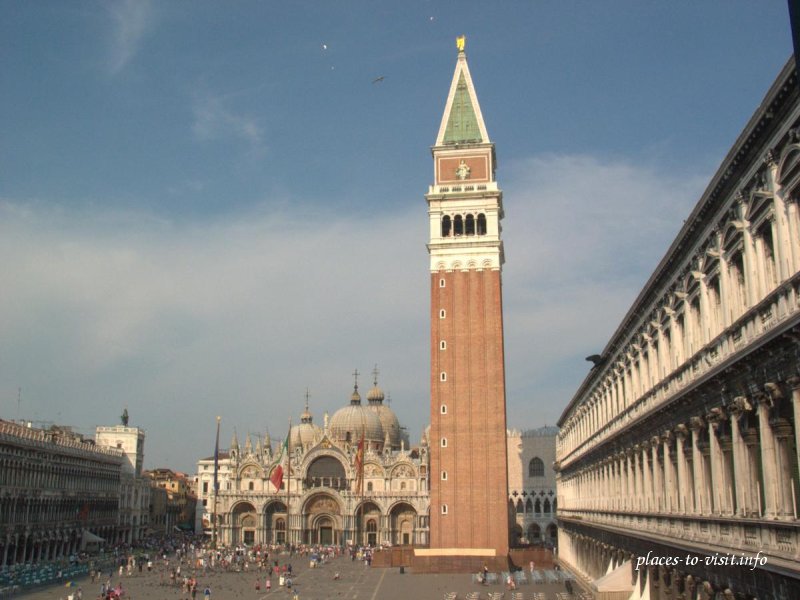
(Pricey) Dining in St Marks - Heaven for Cocoon Travellers

(Pricey) Dining in St Marks - Heaven for Cocoon Travellers

Simply core customers were very much at the ‘live like the locals’ end of the spectrum. For them, the sight of more than a small gaggle of fellow British tourists was a cause for dispair. Local people, local fare and ‘authentic’ lodgings (or their perception of authentic) was at the heart of their ideal holiday experience. By contrast, Magic core travellers preferred to ‘observe’ rather than ‘interact’ and it was more about ‘show’ than ‘do’ – they’d be the sort you see dining in one of the overpriced restaurants in St Marks in Venice, doing organised excursions to see the major sites or going to the local ‘cultural’ show in their 5 star hotel.


I also felt these differences in approach were reflected in their purchase behaviour – Simply customers searching out the experience provider direct, Magic ones taking the ‘safer’ route of relying on their trusted travel agent.


Understanding where along this ‘cultural immersion’ line our customers sat helped inform our product strategy, our service strategy  and our marketing strategies. For example, Simply properties had to be away from mainstream foreign tourism and feel authentic whereas Magic’s properties were more showy and in the mainstream destinations, particularly the ‘places to be seen’. Magic reps were smartly uniformed whilst Simply’s wore their own clothes to blend into their environment and create a ‘traveller to local’ rather than ‘tourist to rep’ style relationship.


The Self Challenger's Dream

The Self Challenger's Dream

I came across the best formal segmentation model for this theory a couple of year’s later whilst doing a consultancy stint at APT. It was produced by Tourism Australia, was entitled ‘In it for the Long Haul’ and mapped 5 major groups. 2 were inexperienced traveller groups that had yet to settle on a preferred type of travel. The other 3 were Cocoon Travellers (take me to the main sites with all the comforts of home), Comfort Adventurers (I want to interact with the locals but I’d like to stay somewhere comfy too) and Self Challenges (show me where the mud huts are, I’ll sleep on the floor like the locals). I’ve attached a link to this excellent piece of research which although 6 years old still makes for interesting and relevant reading (In it For the Long Haul – Tourism Australia).


The particularly interesting thing was that these ‘psychographic characteristics’, although they had some demographic biases, were observed across all age groups and lifestages.  It’s for this reason that I believe that when positioning your brand, this key psychographic dimension should be at the top of your list.


For example, if you’re a destination specialist and want to develop your business, you should look to what experiences you need to offer to those not catered for in your existing offering.  If you’re only offering self drive, you may be missing out on a market that wants to be more cocooned and would prefer an inclusive touring experience.  Conversely, if you cater for one of these psychographic groups only, then a more relevant growth strategy may be to spread your offering geographically, as Simply and Magic did, to attract more business from your existing customers but to new destinations.


Even if you’re a tourism attraction, you need to remember that some will feel uncomfortable with activities that require them to ‘get involved’ whereas others will get frustrated with an experience which is all about observing. To maximise satisfaction, you have to cater for both audiences.


That’s not too discount other segmentation criteria.  Lifestage in particular is also a very important variable and I do think that people can ‘subsume’ their psychographic preferences to a degree when thinking of the greater good, especially when kids are involved.  However, it’s likely the ideal will be combine both their lifestage requirements and their required level of cultural immersion. I’m off to Lefkas in a couple of weeks – authentic, unspoilt Greece, albeit in the grip of a financial crisis.  But my compromise is heading for a cluster of villas around a pool where other families go and where my little boy can mix and play with kids of his own age. I’d probably rather be in the heart of Africa sleeping with the locals in a mud hut but it could be worse – I could be at Butlins.

Content Generation, Search, Websites »

[19 Jan 2011 | No Comment | ]

More, engaging content means more prospective customers and better conversion of those prospective customers. So how do I create engaging content? Think like a publisher.


I’m connected to a chap called Jeff Ogden on Linkedin. I bumped into Jeff when he was working for Greenlight Search. Now, he’s gone out on his own and runs a company that specialises in B2B lead generation. He’s doing very well, before you ask.


Now those of you that read my earlier post on marketing to high net worth individuals will know that us B2C marketers can learn alot from the very best B2B ones, expecially when we’re targeting HNW individuals.


Recently, Jeff put out a podcast on content strategies for B2B enterprises to generate leads called “Think Like a Publisher” which got me thinking – many more companies in the travel and tourism sector should be thinking like publishers.


Why?


  • Well firstly, more content means better conversion. As a rule of thumb, the more content a potential customer can find on their chosen subject, the more likely they’ll trust your expertise on that subject and the more likely they’ll get in touch. Of course it can’t be any old rubbish – it needs to reflect areas on which your company is an authority, be consistent with the brand essence and values, be interesting and topical, and be part of a well structured site so that it channels your prospective customer rather than confusing her.


  • Secondly, it means more potential customers coming to your site. More content leads to more relevant links being swapped on social media, RSS, bookmarking sites and via email. It means more content being indexed by Google, Bing etc and more frequent visits to your site by those search engines which can lead to improvement in your PageRank.


More and more companies are adopting ‘branded’ content strategies but for the only part of the right reason (if that makes sense). Content strategies shouldn’t only be used for search engines, and I’d always advocate creating content for people first and robots second.


I’ll cover some content generation ideas in another post, but bear in mind when you start out on this process that you’ll need to think about how you’re going to integrate this content on to your site (or on another site you create for it) and where, commercially, it make sense to focus. By that I mean if you have a wide product portfolio, which areas drive you highest margins – those are the places to start.


Email »

[25 Nov 2010 | No Comment | ]
Emails – When Personal is Better Than Polished

Content and personalisation win over overt branding and aesthetics.


There’s no doubt about it – there are some really beautifully designed email templates out there.  Ravishing pictures, short impactful copy, personalised (sometimes even in the subject field if you delivery system is that functional) and smothered in branding.


You nod proudly as your survey your own template.  Problem is, your open and click thru rates seem to be on the wane.


Polished though they are, and deeply appealing to our heightened sense of the aesthetic, personal for me will always win over polished.


Would You Prefer This or Something from Clinton's?

Would You Prefer This or Something from Clinton's?

Ask yourself what has greater impact on you – a well-designed birthday card bought in a shop, or one, perhaps not quite so professional, that a friend or family member has made just for you.


Do you feel more special when you read a comment a friend has posted on their FaceBook wall or when they send an email just to you?


I do a bit of B2B work for marketing service providers looking to target companies in the travel and tourism industry and I wouldn’t dream of sending out a templated email – it’s always a well-researched, personalised email from their Outlook account.


At the very least I’d suggest that some email communications to your very best clients and prospects are personally composed, individually tailored and sent from Outlook - even if this dovetails with other, more mainstream communications they are receiving.


You may lose some trackability, but the enhanced relationship with the client (and hopefully extra business opportunities) will more than compensate.

Social Media »

[9 Sep 2010 | No Comment | ]
‘Liking’ – There’s Not of It Happening on Travel Websites (But There Should Be)

I’ve been meaning to write a blog on Facebook’s Open Social Graph ever since it was launched back in April, and having finally got round to it, I decided to do some research on which travel companies had integrated the functionality into the site. How many did I find? Well…..none actually.


That’s not hugely surprising. The adoption of these features has been much quicker over in the US as you’d expect, and in environments frequented by social media savvy types such as mashable.com.


So what is the Open Social Graph and why should you be paying attention to it?  Well, it’s a way of making the web a more social experience – with other Facebook users, and particularly your Facebook friends, guiding you around.


Facebook's 'Like' Button Replaces 'Become a Fan'

Facebook's 'Like' Button Replaces 'Become a Fan'

The first thing to note is that nobody ‘Becomes a Fan’ of your site or brand anymore. This has been replaced by a ‘Like’ button – something you’ll be familar with when commenting on your friends’ Facebook postings. So people don’t ‘Become Fans’ of your brand anymore, they ‘Like’ it instead.


Once a piece of content is ‘Liked’, a story appears in the ‘Liker’s’ friends’ newsfeeds – a nice piece of potential viral marketing. At the very least, it namechecks your brand to your Liker’s friends – and we all know how important friends recommendations are in generating new business. At best, their friend might be intrigued and click on the link created to find our more - valuable qualified traffic. And let’s not forget, you’ll have an incoming link that’s just been set up – great for boosting your search engine rankings.


But there are 2 other interesting things about the ‘Like’ button. Firstly, you’ve now got more than 1 bite of the cherry.  Previously, people ‘became a fan’ of your brand once. Now, they can ‘Like’ all sorts of content on your site – be it a product , an article or an offer – that’s lots of opportunities for different aspects of your offering to spread virally. Secondly, if you tag the content using the Facebook’s Open Graph guidelines, the ‘Liked’ content can form a permanant part of that person’s Facebook profile, becoming part of the ‘Likes and Interests’ part of their profile. Even more interestly, the ‘Liked’ page then becomes the equivalent of a Facebook page showing up in the same places pages show up in Facebook – namely in search. Hmm – lots more potential traffic.


The other way the Open Social Graph is manifested is via a number of social ‘plugins’ – little bits of Facebook functionality that you can ‘plugin’ to pages of your site just by dropping in a few lines of code. And it’s these that really power the social shopping experience.


For example, the ‘Comments’ plugin enables users to comment on your site’s content – be it a webpage, article or photo. And then the ‘commenter’ can share the comment on their wall, and in their friends streams. A nice way to capture comments but also a nice way to ensure they’re shared with as wide an audience as possible.


The ‘Activity Feed’ plugin shares the most recent activity taking place about your site or content- displaying if the content has been liked and shared and how many times. Also, if a visitor’s Facebook friends are among the ‘likers’ or ‘sharers’, they will be visible to that visitor, as long as the visitor is signed into Facebook. Hence, an overt recommendation, that may not have been made via word of mouth, has been made via the power of Facebook.


Facebook's Activity Feed Plugin on the CNN Site

Facebook's Activity Feed Plugin on the CNN Site

Now I’m a little sceptical about how powerful the ‘what have my friends liked/shared’ aspect of the social graph might become. The chances of one of my Facebook friends ‘liking’a particular piece of content I stumble across on the web when looking for a holiday are pretty remote. The chances of it being a friend who’s opinion I rate when selecting my holiday are even more unlikely.


However, I can see the ‘Like’ button taking off as an easy and less involved way of ‘commenting’ on content on the web without actually having to comment. Few people ‘create’ content, but lots of people are prepared to anonymously push a button to express their preference. And sites that are ‘Liked’ by more people, and content on the site that is more popular, is going to mean a higher conversion of visitors to bookings as people see that the company or product is legitimised by the favourable response of so many.


And I can see travel companions expressing preferences to each other by ‘Liking’ pages – why cut and paste links and then email them when you can ‘Like’ your preferred holidays and then tell your partner to check out your newsfeed entries to see if he/she ‘Likes’ them too.


So if I was you I’d be talking to my web developers and integrating the ‘Like’ button in particular and the the Activity Feed plugin on to all my company, product and article pages, unless you have compelling evidence that your audience isn’t using Facebook (and to be honest, they’d have to be positively geriatric for that to be the case).The response may initially be slow, but it will pick up as word spreads.


And as my research has proved, you’ll be at least one step ahead of your tardy competitors.

Social Media »

[6 May 2010 | No Comment | ]
Effective Social Media – Don’t Let the Tools Rule the Roost

Too many social campaigns are ‘channel specific’, isolated, unintegrated and therefore doomed to have a fraction of the impact they could have had if planning had started with the objectives and audiences, rather than the tools to connect with them.


I don’t know about you but when I’m planning a bit of DIY around the house (a rare event I’ll admit), I don’t make a beeline for my toolbox and look in there for inspiration as for what I should do (hmmmm – what could I make with these….).


I start off with an objective that I need to achieve (usually allocated by my wife), like putting up a shelf, and then head for the tool box for the tools I need to achieve it – in this case, my drill, some wallplugs and screws, a pencil and a spirit level (should I be starting a DIY blog?) – with the aim of communicating a message to my target audience (e.g. I do do stuff around the house other than work).


Effective_Social_Media_Is_Not_Just_About_The_Tools

Effective Social Media - Don't Forget Your Objectives and Audience

But I see so many examples in modern marketing of the tools coming first, and the objective and the message coming second – especially with social media. People jump on the bandwagon and start letting the tools drive them, rather than working out the best way the tools can help them achieve their objectives and engage their audience. Worse still, this activity becomes discrete, isolated from the other tools their using – like putting a set of shelves up with just a spirit level – and so therefore doing only part of the job.  And even worse, customer relationship implications are not thought through – the niche audiences that use these tools are afforded better service, discounts and offers than the customer’s core client base.


My advice would be would be to start with your objectives and your audiences and then look at the tools at your disposal in the context of these. What social media tools are my audience using and how? What can these tools help me achieve?


Best Job in the World - How to Use the Tools Not Get Used by Them

Best Job in the World - How to Use the Tools Not Get Used by Them

Of course, make sure you understand these tools and the unique features they offer for you to connect with your clients and/or prospects and get your message across, but be wary of creating an effective 2 or 3 tier service where niche audiences who use these tools get something that others aren’t. You could end up upsetting alot of loyal customers.


I love the ‘Best Job in the World’ campaign as an excellent example of a way to use social media tools to amplify a message communicated through a wide range of channels to support a specific objective. So much better than all these gimmicky ‘channel specific’ campaigns which if properly thought through, could have been so much more effective.


Which reminds me, I really need to get that coat rack up….

Branding, Social Media »

[15 Apr 2010 | No Comment | ]
Has Social Media Re-Written the Rules of Travel & Tourism Marketing?

Have the rules of travel and tourism marketing been re-written with the emergence of Facebook, Twitter et al? Or are we simply playing the same game with a different set of tools at our disposal?


We’ve all heard quotes like ‘social media is a game changer’ or ‘you’ve lost control of your brand’ from the new crop of social media experts that have sprung up due to the rapid adoption of services such as Twitter and Facebook.  But have the rules of marketing really been re-written? For me, the answer is ‘no’.


A very clever chap called Marcus Codrington-Fernandez, a man who has worked on brands such as IBM, Mercedes and Orange (and has now invented a cricket bat) explained to many years before the social media revolution that a brand was communicated by a series of conversations. Some of these conversations the brand would be directly involved with and some not (see fig 1 below). A large part of the marketer’s brief was to get the right sort of conversations going about their brand.

Brand Conversations - the Good Old Days

Brand Conversations - the Good Old Days

So brands have always been about conversations, and people were having conversations long before social media came along. So what has social media changed?  Well I’m not sure ‘change’ is the right word. ‘Amplied’ and/or ‘Multiplied’ would be more appropriate.


What it has done is engendered new social connections, multiplied the level of conversation, increased the speed of diffusion of those conversations and made them much more visible (see fig 2 below).


Brand Conversations - Post Social Media

Brand Conversations - Post Social Media


To give you can example close to home, my wife is an avid ‘Facebooker’ and I dabble with Twitter. We’ve have both made new social connections as a result of these services with people we may not have been in contact with otherwise. For my wife, its old friends and colleagues she’d lost touch with and for me its people who share a professional interest.


And there’s no doubt that the number of conversations we have has increased. Both of us now have conversations with new and existing contacts that simply wouldn’t have happened before. You post something about your day you think your friends might be interested in, and ‘hey presto’ they respond. But we still email, we still skype, we still text and, heaven forbid, we still occasionally talk to people face to face.


Of course we’ve all heard the ‘wildfire’ effect of social media. The Jan Moir/Stephen Gately furore was whipped up on Twitter and most people who complained about the Jonathan Ross/Russel Brand incident never ever heard it live. But ‘old’ media could spread good and bad news – the Mail in the case of JR/RB – it’s just speeded things up and allowed us to more readily connect directly with the people in the heart of the firestorm.


And social media conversations, especially on Twitter, are much more visible than they were before – Google can’t index personal emails and IM like it can Twitter for eg. As a travel company, you can use twitter search to find someone looking for honeymoon ideas and make some useful suggestions. Or find someone moaning about your service and nip the problem in the bud.  But then again, you could find someone complaining about your service on TripAdvisor – it just that social media makes it easier to identify and connect.


As individuals. social media enables us to do things that we’ve always done and always wanted to do – have conversations with people we share an affinity with. It’s just made it a darn site easier and therefore encouraged us to do it more often. When push comes to shove, it’s people using these things, and people’s motivations are the same as they’ve always been.


So the game hasn’t changed – engender the right sort of conversations about your brand – you’ve just got a few new tools in your locker which means you need to re-think your tactics.  But don’t throw out the old rulebook.


And the de rigueur phrase that irritates me most of all – ‘you’ve lost control of your brand’. Rubbish.  You haven’t suddenly lost control of your brand because you never had complete control of it in the first place. Conversations were always taking place about your brand that you never had complete control over. But by focusing on delivering a customer experience consistent with your vision and values, you could influence those conversations in the same way you can influence the new conversations happening as a result of Facebook, Twitter et al.